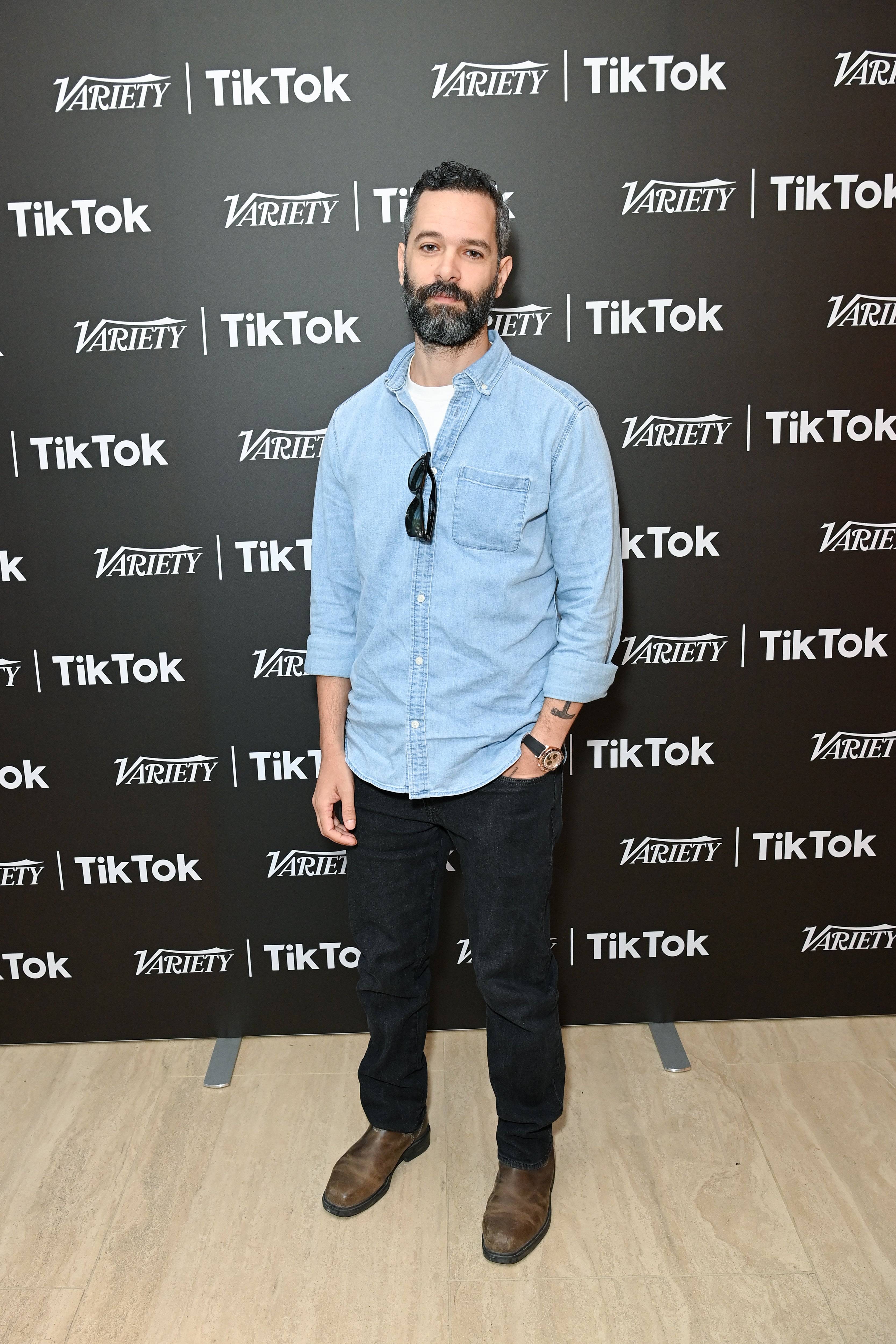
Earlier this week at the DICE Summit in Las Vegas, Nevada, Naughty Dog's Neil Druckmann and Santa Monica Studio's Cory Barlog engaged in a deeply personal discussion about creative doubt.
The Creative Process Behind Gaming's Biggest Sequels
The hour-long conversation touched on their artistic uncertainties, decision-making processes, and approaches to sequel development. When asked about character evolution across multiple titles, Druckmann revealed his surprising philosophy:
"I never think about multiple games because the current project consumes all my attention," Druckmann explained. "Planning sequels prematurely feels like tempting fate. While working on The Last of Us Part II, occasional sequel ideas emerged, but my mindset remained 'What if this is our only opportunity?' I incorporate every compelling idea into the current project rather than saving it for hypothetical future installments."
Contrasting Creative Philosophies
Druckmann explained his organic approach to sequels: "For The Last of Us TV adaptation, multi-season planning makes sense. But with games, I examine unresolved narrative elements retrospectively. If characters lack growth potential, we might conclude their journey definitively."
"During Uncharted's development," Druckmann continued, "we discovered each sequel's direction organically. We constantly asked: How can we avoid repetition? Where can this character evolve? Without fresh answers, perhaps we should pursue new creative ventures."
Barlog countered with his meticulous planning approach: "I maintain elaborate narrative connections spanning years. Witnessing decade-old plans materialize feels magical, though this method proves incredibly stressful with changing teams and evolving perspectives."
The Passion Behind the Process
The discussion turned to creative motivation, with Druckmann sharing an illuminating exchange with Pedro Pascal: "When he asked if I loved art, his immediate response was 'It's why I wake up.' That sentiment resonates deeply. Despite the stress - sometimes manifesting as panic attacks - creating games with talented teams makes every challenge worthwhile."
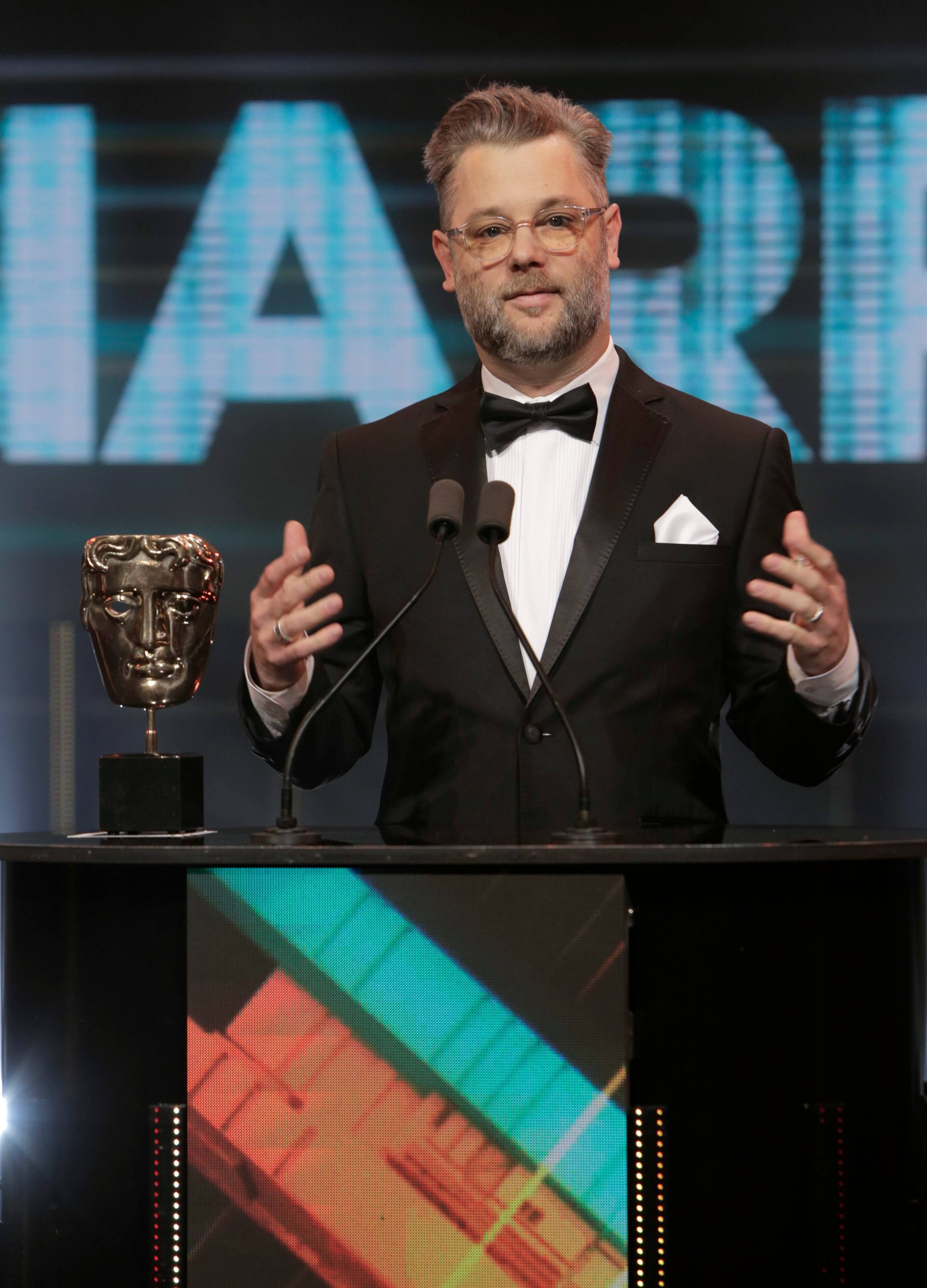
When Druckmann questioned artistic fulfillment, Barlog responded candidly: "Is it ever enough? Absolutely not. Upon reaching creative summits, your mind immediately identifies taller mountains to climb. This relentless drive defines creative personalities - we persist despite advice to pause."
Druckmann reflected on succession planning, recalling Jason Rubin's departure wisdom: "Creating opportunities for emerging talent is crucial. I'm gradually reducing direct involvement, though complete detachment remains distant."
The session concluded with Barlog's humorous retort: "Very convincing argument. I'm retiring immediately."

 LATEST ARTICLES